|
Culture is in every community and is revered as sacred by most people. When you live immersed in your own culture, you might see the world as a decent place for decent people. You may not really see a problem with your behavior, traditions or hobbies. As a believer, you are challenged to evaluate your thinking, cultural values and behaviors. This is a difficult process because it can undermine ideas that you've accepted your whole life. How do you know what parts of your culture to keep and which to jettison? There is only one place where you can find those types of foundational truth: The Bible.  One significant difficulty in mission work is making disciples and teaching them to obey Jesus. This is difficult because the people who you are trying to reach and teach already have an established culture of commandments that they follow. Also, most humans are born stubborn, which makes the process of change a bit more trickly. Another consideration is that usually people don't feel any urgency to discard cultural beliefs and replace them with Biblical beliefs. It can be a slow process of living through many situations together with the disciples before they realize how God's truth applies to their situation. Often believers default to cultural practices when they should be adjusting to God's way of thinking and acting.  "I will walk in freedom, for I have devoted myself to your commandments." Psalm 119:45. The commandments of God replace the bondage of worldly culture with freedom. Implementing God's Biblical culture brings financial freedom, freedom from drama, freedom from oppression, and freedom to enjoy a godly lifestyle. How does God know what the right culture is for believers? How does He know what is the best thought and action for each situation? "You made me; you created me. Now give me the sense to follow your commands." Psalm 119:73. Jesus said, "the Spirit of the Lord is on me, because he has anointed me to proclaim good news to the poor. He has sent me to proclaim freedom for the prisoners and recovery of sight for the blind, to set the oppressed free." Luke 4:18. Events, outreach, programs, camps, and special nights all have their place in reaching the lost and bringing believers closer to Christ. Yet, none of these seem to have the power to change the believer's mindset and personal culture. Jesus has chosen to use discipleship to bring Biblical culture into the hearts, heads, and lives of His people. Discipleship requires many hours of prayer for the Holy Spirit's power to change mindsets and cultural ideas through the study of the Word of God. The difficult trail of missions lies through the fields that are ripe for the harvest, yet that journey is one of incredible difficulty, discouragement, and joy. Our objective is to bring freedom of thinking and freedom in behavior through training in the Word of God and its application to each individual's life. We are not alone in this mission. We have the Body of Christ surrounding us with prayer and encouragement. We have the Spirit of Christ and His authority continually with us. Even the the task is daunting, we minister in hopeful expectation of what He will do in His people who "hear His voice" and have hearts to apply His words. "Jesus came and told his disciples, 'I have been given all authority in heaven and on earth. Therefore, go and make disciples of all the nations, baptizing them in the name of the Father and the Son and the Holy Spirit. Teach these new disciples to obey all the commands I have given you. And be sure of this: I am with you always, even to the end of the age.'” Matthew 28:18-20. 
0 Comments
 Think about this question. Why do you think the gospel is good news? Many of us have a limited definition of the gospel, which centers on forgiveness. Actually, the gospel is good news for that important reason and some other amazing reasons. The gospel is good news because:
The gospel brings a believer into the path of God's healing, which can be spiritual, mental, physical, and emotional. As the believer learns and engages with God's will, timing and Christ-purchased wholeness, he begins to experience freedom and healing. The gospel is simple and it also is complex... Ultimately, the gospel translates us from the kingdom of darkness into the glorious kingdom of light. Here on Earth, we experience growing degrees of that light as we learn and trust in more and more of God's truth. After we die, we will experience in full God's presence, healing, and sinless perfection. One of the marvelous missions of the believer is to share the gospel and its multitude of blessings with others. The gospel is simple, yet it is also deep. So deep that it takes a lifetime for a believer to study and apply the many, many truths of the blessings purchased for him by Jesus Christ. The process of learning and applying these truths is called discipleship, which is why Jesus gives us the privilege of going out to make disciples and teach them to apply all of His commandments in their saintly lifestyles.  Read this prophecy about Jesus Christ and look for the different aspects of the gospel: Justification, Wholeness and Healing. He was despised and rejected— a man of sorrows, acquainted with deepest grief. We turned our backs on him and looked the other way. He was despised, and we did not care. 4 Yet it was our weaknesses he carried; it was our sorrows hat weighed him down. And we thought his troubles were a punishment from God, a punishment for his own sins! 5 But he was pierced for our rebellion, crushed for our sins. He was beaten so we could be whole. He was whipped so we could be healed. 6 All of us, like sheep, have strayed away. We have left God’s paths to follow our own. Yet the Lord laid on him the sins of us all. Isaiah 53:3-6 Read this prophecy about Jesus Christ. Do you see the good news of the gospel for emotional healing, restoration, righteousness, joy, purpose, God's favor, deliverance and freedom? “The Spirit of the Lord God is upon Me, because the Lord has anointed Me to preach good tidings to the poor; He has sent Me to heal the brokenhearted, to proclaim liberty to the captives, and the opening of the prison to those who are bound; 2 To proclaim the acceptable year of the Lord, and the day of vengeance of our God; to comfort all who mourn, 3 To console those who mourn in Zion, to give them beauty for ashes, the oil of joy for mourning, the garment of praise for the spirit of heaviness; That they may be called trees of righteousness, the planting of the Lord, that He may be glorified.” 4 And they shall rebuild the old ruins, they shall raise up the former desolations, and they shall repair the ruined cities, the desolations of many generations. Isaiah 61:1-4 The gospel is good news because some of the blessings are given instantly at conversion and many are learned about, received and applied through sanctification. This is good news worth the intense spiritual warfare, time and relationships necessary for discipleship.   Everyone's Mission
Jesus Christ sends each one of us out to bring His gospel into our respective communities. Each of us has unique talents and spiritual gifts, which we can use to reflect the glory of God's character. People are born with the purpose to reflect their own glory, which is an inauthentic purpose. It is through hearing the gospel that one can be born again into a purpose that is authentic for every human being: To glorify God and enjoy Him forever. Therefore, if anyone is in Christ, he is a new creation; old things have passed away; behold, all things have become new. 2 Corinthians 5:17 Notice that there are a couple of amazing truths in 2 Corinthians 5:17. First, the position of a believer is in Christ. Jesus Christ is now his Savior, Authority, and Representative. Second the nature of a believer is new. His nature mirrors the nature of Jesus and bears the family resemblance of God's family. Third, the old nature, old lifestyle, old purposes have died. Importantly, the everything about the believer and about His lifestyle has become new. Now, selfish living is inauthentic to his nature. Now, sinful pleasures are distasteful and humanism is flavorless. NEW LIFE has begun! Missions is bringing this message to the masses, one relationship at a time: Satan has come to steal your purpose, your life, your family, and to destroy your soul. Jesus has come that you may have an abundant, purposeful, eternally joyful life. (John 10:10) Kingdom Business We're all here on the planet on the King's business. Kingdom business is our responsibility because each of us is an ambassador of the gospel. Therefore, we are ambassadors for Christ, as though God were making an appeal through us; we beg you on behalf of Christ, be reconciled to God. He made Him who knew no sin to be sin in our behalf, so that we might become the righteousness of God in Him. 2 Corinthians 5:20-21 We're in the business of bringing the message of reconciliation between God and our neighbors, coworkers, relatives, friends, and frenemies. This business looks different depending on the personality, giftings and calling of each believer. However, the message is the same: Be reconciled with God through Jesus Christ and become the righteousness of God. One thing to notice is that a believer becomes righteous, both in position and in process. Learning about this position and applying the process is called discipleship. Discipleship is a wonderfully difficult and organic relationship, wherein you teach someone their position and identity in Christ and give them the tools to live a righteous lifestyle. Jesus said it like this: "Go therefore and make disciples of all the nations, baptizing them in the name of the Father and of the Son and of the Holy Spirit, teaching them to observe all things that I have commanded you; and lo, I am with you always, even to the end of the age.” Matthew 28:19-20 Watch Out! There are a couple of pitfalls to watch out for: 1. Don't build your own kingdom and collect your own disciples. Instead, build Christ's kingdom and equip His disciples. 2. Don't insist on everyone becoming you. Instead, guide each person into a growing relationship with the Holy Spirit through the Word. Business Tips! Here are four tips that will empower you as a Kingdom business person: 1. Realize that you have unique spiritual gifts which have been given to you so that you can reach those that God's assigned to you. Are you a listener? Listen. Are you an evangelist? Evangelize. Are you a parent? Parent. Are you a server? Serve. Are you generous? Give. There is one spiritual gift that I believe everyone can give and that is hospitality. Who are you? Be you and reflect the attributes of Jesus through your speech, purpose, and lifestyle. 2. Be Spirit-filled and abide in the Bible. Have a daily quiet time and learn your Bible. Learn how to listen to the Holy Spirit's leading. Don't become imbalanced. The Bible and the Holy Spirit have equal importance. The Father, the Son, and the Holy Spirit have equal importance in your daily relationship with God. Be a believer who is balanced in your theology, practice, and spiritual gifts. From a context of spiritual health, you can grow other healthy self-feeders. They will, in turn, teach others to feed on Jesus Christ as their Lord and Savior. 3. Be confident, loving, and self-controlled. "For God has not given us a spirit of fear, but of power and of love and of a sound mind." 2 Timothy 1:7 4. Teach the whole counsel of God through consistent, methodical, strategic Bible teaching. Don't shrink from declaring the whole counsel of God. (Acts 20:27). Be Intentional Missions isn't complicated. It is showing up and trying to be Jesus through your unique personality and giftings. Let your light shine before men so that they can glorify God in Heaven! Missions is easy to miss, if you aren't intentional about being on mission. Think of yourself as an ambassador for President Jesus. It's His policies that you promote. Think of yourself as a child of your Heavenly Father and learn the family resemblance. Think of yourself as a saint and live a righteous lifestyle. Be you and be Jesus in your community. And He said to them, “Go into all the world and preach the gospel to every creature. He who believes and is baptized will be saved; but he who does not believe will be condemned. And these signs will follow those who believe: In My name they will cast out demons; they will speak with new tongues; they will take up serpents; and if they drink anything deadly, it will by no means hurt them; they will lay hands on the sick, and they will recover.” Mark 16:15-18  Discipleship is commanded, isn't complicated, and yet it takes strategic commitment. First, let's define discipleship. Discipleship is the process of growing a person in his personal relationship with Jesus, to the point where he is consistently living from a Biblical worldview and is empowered to pass that worldview onto his children. Sometimes discipleship begins when a person is unsaved and other times, God places you into a person's life to bring them to the next stage in their discipleship. Discipleship is teaching him his identity in Christ and how to live a life authentic to that identity. Looking back, he needs to know what his identity was outside of Christ and how to leave that behind. Looking forward, he must be equipped to live a balanced life of grace-filled holiness.
There are Five Keys to Discipleship. ONE: Discipleship requires a math equation. Discipleship Growth = Relationship over Time. You must spend time together with a person or family you are discipling. The relationship must weather the seasons of life, both the triumphs and the terrible trials. Jesus modeled this in His ministry to His disciples! TWO: Discipleship must be constructed on a platform of consistent Biblical teaching, with an emphasis on the Holy Spirit teaching the believer. A combination of topical studies and verse-by-verse discussions will give the disciple a foundation of doctrine and the ability to study the Bible for himself. As quickly as possible, the disciple must begin to think Biblically and make decisions Biblically. Jesus commissioned us to teach His disciples to obey His commands. This doesn't mean to "obey our commands" or become our acolytes. A disciple must learn God's character and practice applying God's principles to each area of his life, including parenting, marriage, at the job, and as a vibrant member of the church fellowship. This will not happen by accident. Biblical literacy and Biblical worldview MUST be taught specifically and strategically. THREE: Vulnerability and authenticity are the glue of discipleship. The disciple must be able to see the sanctifying power of the Holy Spirit in your life, so that he can have a realistic expectation for himself. If you are not willing to admit sin, repent, and ask for forgiveness, you are not modeling an authentic process of sanctification. The disciple should see you organically live out the Biblical worldview that you're teaching, which leads me to the fourth key. FOUR: Gradual release of the disciple. (Gradual release is a process of: I do, We do together, You do). At first, you are modeling and teaching the disciple the basics of the Bible and the Jesus lifestyle. You spend lots of time together modeling and coaching through life's ups and downs. All the while, you are thinking about how to release the person into more independence in quiet time, discerning the will of God, and living a holy, Biblical life. The objective is for the disciple to be mature and empowered to critically think and to independently make godly decisions. This key is connected to the last key, which is to let go of your control. FIVE: Trust the Holy Spirit and the foundation of Biblical literacy that you've carefully built. Let the disciple learn how to be independent and capable. Manipulation and control of a disciple stunts his growth, causing the disciple to stagnate. He can't grow past your personal limitations, nor can he discover maturity in his unique giftings and calling. Manipulation and control feeds your own sense of security, but poisons his ability to personally own the great commission and go forth to make disciples. Your manipulation and control are the opposite of grace and contradict what you've been teaching: Learn the word, walk in the Spirit, and live out a Biblical worldview. When discipling, do the first four keys well, and the trust God for the outcomes. Remember, you are not building your multi-level marketing ministry. You are serving to build Christ's kingdom. To summarize, discipleship is a multi-generational gift that you give a person and his family. Together, you live life and model Christ's wisdom applied through joys and sorrows. Systematically, you train the disciple to know and interpret God's word. Through this process, you gradually release the believer into an authentic life of walking with the Holy Spirit. Grace and truth are the gifts that you give to him and his children. Is this easy? No! It takes humility, love, and strategy. It takes commitment to living godly lives in community together. God's intention is for your to build His Son's kingdom. To live out this purpose, we must have the heart of Peter, the aptitude of Paul, and the attitude of John the Baptist... Jesus "must become greater, and I must become less." (John 3:30) With the effects of Covid-19 sweeping the planet, hitting developing nations deeply, what is the greatest gift that we can give people? Of course, we should take to heart and act on John's observation, "If someone has enough money to live well and sees a brother or sister in need but shows no compassion—how can God’s love be in that person?" During times of pandemic and economic loss, we need to slow down and listen to people's stories and hear their needs. Yet, although food is a critical gift, it is not the greatest gift. Jesus recruited all of us to give the greatest gift: Go therefore and make disciples of all the nations, baptizing them in the name of the Father and of the Son and of the Holy Spirit, teaching them to observe all things that I have commanded you; and lo, I am with you always, even to the end of the age.” (Matthew 28:19-20) Discipleship is the greatest gift that you can give any human being on the planet. Discipleship is the process of introducing a friend to Jesus Christ as his Lord and Savior, and teaching him/her how to live out Jesus's commands. Discipleship adjusts the person's worldview to align with the Bible's truth for life. It steadily teaches a believer's true identity, and instructs in how to live a life that is authentic to that identity. The process adjusts personal thinking and culture to match God's kingdom culture and thinking. To put it another way, discipleship is the garden where faith germinates and produces fruit. The Gardener carefully plants, prunes, provides, and protects. In the midst of this pandemic, we anchor into our mission to give away the greatest gift possible: an eternity-long relationship with Jesus Christ. Discipleship is a foundational reason why we minister. Through discipleship, people are born again into a hope-filled future. For I know the thoughts that I think toward you, says the Lord, thoughts of peace and not of evil, to give you a future and a hope. Jeremiah 29:11 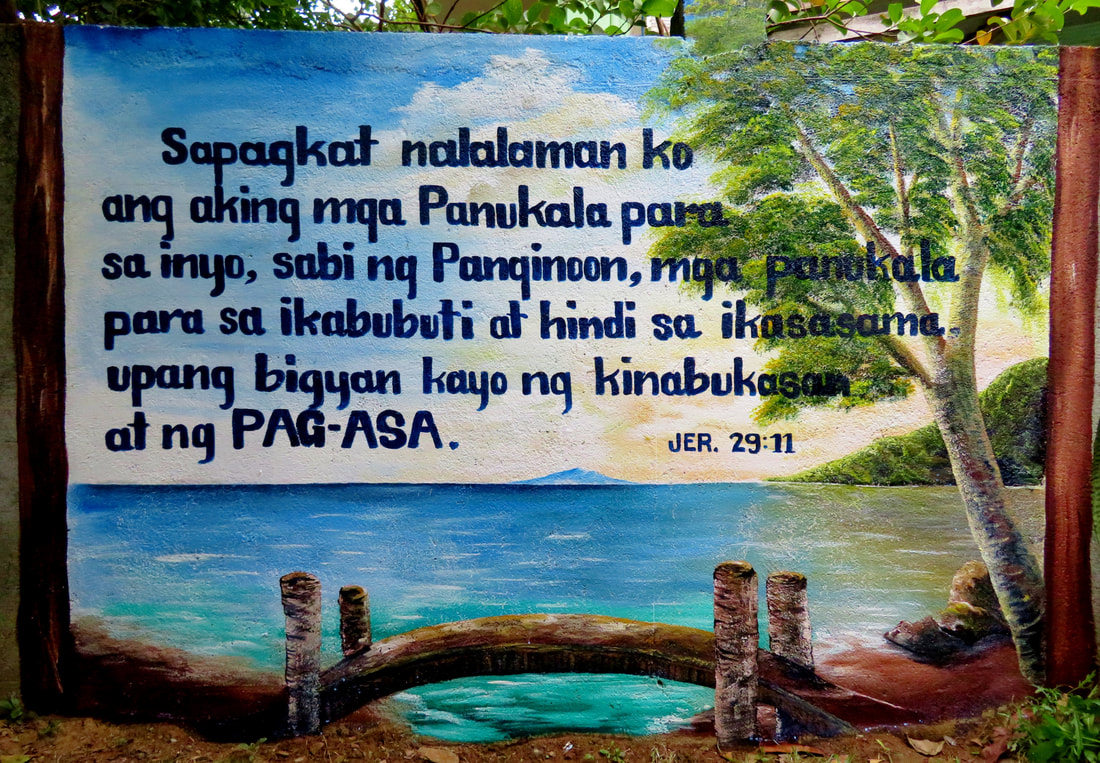 Quarantine is a tough time for people who are elderly, immuno-compromised, or living in extreme poverty. Actually, let's face it: It's a tough time for everyone. Frontliners are exhausted and pushed to the limit. Moms and dads are trying to keep the kids sane. People without resources in the pantry or in the bank are running out of food and money because they can't work. So, what can Christians and churches do? We can bring a message of hope, peace, and safety. The world is watching us, as we either respect government rules or reject them. The world is watching us scramble in fear or walk wisely in confidence. Here are four ways to help during this crisis: 1. Model the right responses and share God's hope. This can be done through many ways, including encouraging Facebook live videos and phone calls to check in on and pray for others. Pray for people. Bring your prayer A-game and intercede against death and virus for specific people. Post encouraging videos of you singing worship songs or giving a devotional. Post Youtube worship videos that lift others up. Do crafts with your kids at home and help them thrive during this time. Post cute pictures of fun times to lift the spirits of your lonely friends. 2. Look for where the community needs help. It could be that you have a skill you can volunteer, like sewing face masks at home. Or, you could volunteer to help man a check-point. You might be able to help deliver food for the local government to needy families. The important thing to remember is that there are many ways that you can help, without breaking the rules. If you want to help out with something and it is against the rules, you can ask for permission. A friend of ours in Manila is feeding many people right now, with the permission his local government.  We were able to donate the use of our vehicle to help deliver rice.Four Ways to Help in a Quarantine Continued: 3. The third way is to help provide resources to the hungry. In our area, people are running low on food. The strategy that we're taking is to provide rice to the local pastors, who in turn can give out rice to hungry families. Ask yourself where the hungry people will go to get food. Then, give resources to those places. The point of giving resources is to minimize your glory and magnify God's glory! Another idea is to ask the Holy Spirit. If you ask Him, He will tell you specific people to help. You can't provide food for entire communities, but you can help your next-door neighbor. Remember, most people won't ask for help or admit that their shelves are empty. Just surprise them by dropping off the ingredients for spaghetti dinner. 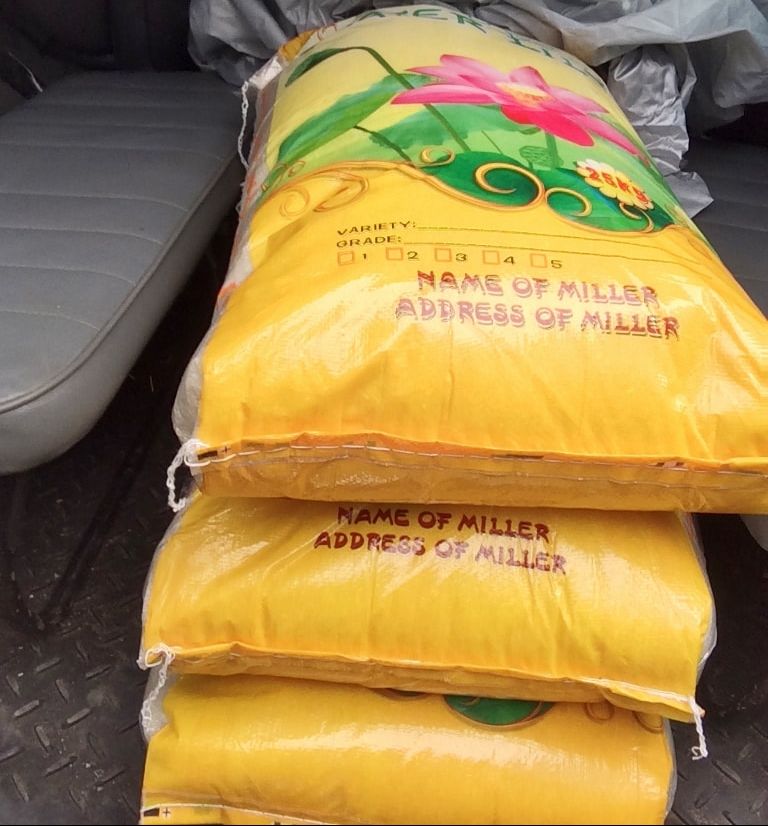  Listen to the Holy Spirit: It is impossible for one person or one organization to help everyone. That is why we have to obey the voice of the Holy Spirit and help where He inspires us. Look around and you'll see where you are to help. Fortunately, the Bible is clear: in case lack specific direction about where to help, go ahead and feed the poor, help the widows and orphans, and be godly during this crisis. 4. Support and encourage the frontliners. The last way is important. Branch out and help people that you wouldn't normally help. For example, contact a medical missionary or a frontliner and support them. Do you know some frontliners? Have pizza delivered to the local police station. Or, when you are out to buy groceries, drop off ice cream at the local checkpoint. I've read on Facebook about Christians going to ask if they can pray at the police station. Frontliners need and want your prayers. They also need encouraging smiles, and maybe even a couple boxes of pizza. 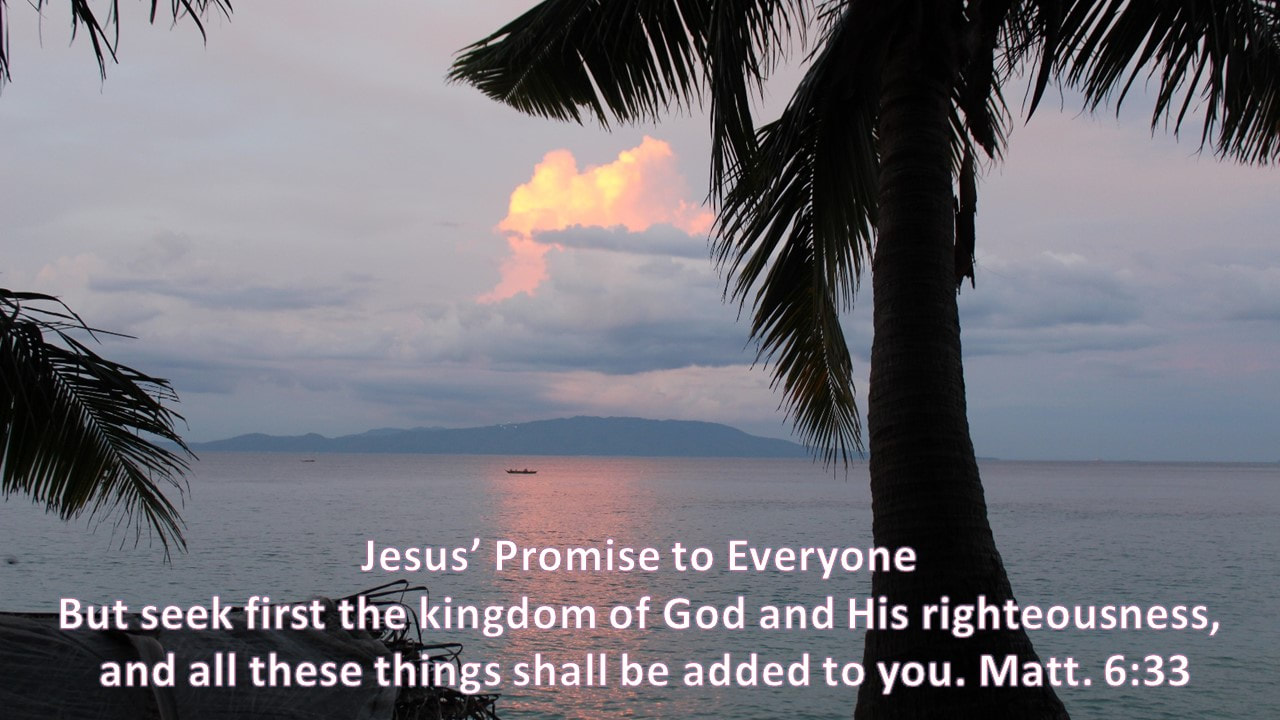 Trust is an important part of mission work and discipleship. Trust is the antidote to the viruses of control and fear, along with many other pitfalls for pastoring in the Lord's pasture. For the missionary, trust is key.
Trust the Word We plant the word by sewing it carefully, row by row. A garden has rows of carrots, corn, and tomatoes. In the same way, we plant rows of Biblical doctrines. Week by week, month by month, we carefully plant the Word. We teach creation, the Fall, redemption, and God's purposes for humanity. We teach man's depravity and need for regeneration and the Holy Spirit's power to save. God's holiness and Christ's sufficiency for justification and sanctification are carefully sown. Row by row, we plant, weed and water. Are they listening? Will they remember? Will they be deceived by a false teacher? We answer all of these doubts with trust. Trust in the living word of God, while trusting in the Living WORD of God! Trust in the Spirit The Holy Spirit is our guarantee, teacher, comforter, peace-giver, love-depositor, gift-giver, fruit-bearer and wisdom-granter. All of the Father's will in evangelism, discipleship, and gathering & growing saints is done through the Holy Spirit. Evangelism is like calling out to all of the dead people in a graveyard to resume life. With the Holy Spirit, youth and adults come to life, repent and follow Jesus with faith-filled hearts. Discipleship is the process of growing believers into mature disciples. All spiritual growth is dependent on the timely touch of the Holy Spirit, as He teaches and impresses truth into the souls of His saints. Every single spiritual thought and powerful realization of truth comes through the Holy Spirit's anointing. All spiritual growth and maturity is a direct result of the Holy Spirit's power and blessing. Trust the Means of Grace Means of grace are pipelines or channels through which the Father's will powerfully flows into the lives of believers. Having already discussed the Bible, which is a means of grace, I'll set forth a couple of other means of grace. Prayer is a valve that releases the protection of the King of Heaven. There are many pitfalls for sheep to fall into. Fear of those pitfalls creates humanistic reactions in the pastor, such as manipulation, agendas and anxiety. The antibiotic to prevent those infections is prayer, and ultimately the trust and peace that prayer produces. Another means of grace is fellowship, especially in a church body. Fellowship is essentially relationships that are built through humility, honesty, and love. Trust the Relationships This last one gives us something to think about. Can relationships be built on fear and distrust? Of course not. The key to healthy discipleship is to trust the relationships. Knowing as Jesus did that people will hurt us at times, we still trust the relationships. This means that we look at those who we disciple and fellowship with through the eyes of love. Love hopes the best from people. Love is not skeptical or fearful. In fact, perfect love casts out all fear. We trust the people that God has given us to plant and harvest with. We look at them with love and hope-filled eyes. How is this possible? It's possible because we are children in the same Family, citizens in the same Kingdom, friends in the same Fellowship. This trust pivots back and rests on the first two: Trust the Word and Trust the Spirit. 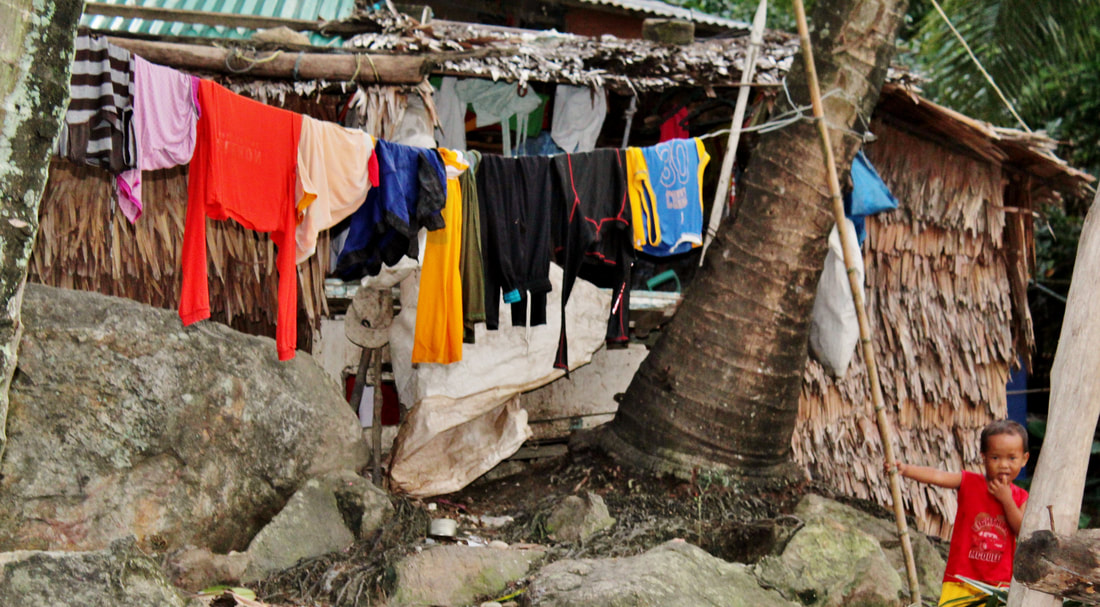 "Seek first the kingdom of God and His righteousness and all of these things will be added unto you." Matthew 6:33. Imagine growing up in a neighborhood where many of your friends don't go to school. Maybe, you don't go to school. At some point, re-enrolling in school may not be an option for you because your last grade was 4th grade and you're now a teenager. There are still some options for you, but the road of education is now very challenging because you've lost so many years of learning, diligence, and hard-earned confidence. Possibly, you're one of the youth who has stayed in school. You push yourself to do well, but you really could use someone who is with you for the long haul. There are days when you go without lunch, or don't have money for a class project. You live with a relative, and you need an advocate, someone to assist you with your homework and help you stay on top of your studies. God has given us a vision and a team to help youth find hope through Jesus Christ. We call this team Kinabukasan at Pag-asa, which is Tagalog for Future and Hope. We believe that through teaching the gospel, building relationships, and discipleship, youth and families can seek the kingdom of God and His righteousness, and Jesus will provide all that they need for a good, hope-filled future. The difficulties of extreme poverty are wide-scale and insurmountable. Humanly speaking, they are impossible to solve, even for one family or one person, let alone a whole community of families. However, the Creator of the Universes is omnipotent. His name is El Shaddai, which means the Almighty One. His promise is that if a person centers his/her life on Him, that He will provide everything needed. Our vision is that from the soil of discipleship, youth and families will grow up into a good future that is full of God's provision.  For I know the thoughts that I think toward you, says the Lord, thoughts of peace and not of evil, to give you a future and a hope. Jeremiah 29:11
Joseph is a fruitful vine, a fruitful vine near a spring, whose branches climb over a wall. With bitterness archers attacked him; they shot at him with hostility. But his bow remained steady, his strong arms stayed limber, because of the hand of the Mighty One of Jacob, because of the Shepherd, the Rock of Israel, because of your father’s God, who helps you, because of the Almighty, who blesses you. Genesis 49:22-25a. "Joseph is a fruitful vine, a fruitful vine near a spring, whose branches climb over a wall. With bitterness archers attacked him; they shot at him with hostility."
Trials can come against us and try to destroy us. Yet, through the power and protection of Almighty God, we can emerge carrying the blessing of knowing personally the goodness and faithfulness of God. "But his bow remained steady, his strong arms stayed limber, because of the hand of the Mighty One of Jacob, because of the Shepherd, the Rock of Israel, because of your father’s God, who helps you, because of the Almighty, who blesses you." Through the pressure of attacks, we learn some very important truths for having a steady bow and strong, limber arms. 1. God is infinitely good and is our salvation. 2. Quiet time with the Holy Spirit is the nutrition for spiritual battle. 3. Fear and distrust must be identified, rooted out, and replaced with trust and confidence in God. 4. Humility is of extreme importance. Wait on the Lord. Spend more time learning from other Christians and less time judging them and ripping them apart. 5. Act in Christ's authority at all times: This is key to freedom. 6. Don't tolerate any sin, evil spirits, or negative thoughts. Evict all of them. 7. A thorn in the flesh is not a permanent fixture, only a glass from which to drink God's grace and sufficiency. We all have to learn through experience how to take every thought captive. We must learn how to cast large mountains into the sea with faith the size of a mustard seed. We must learn to submit to the Father's will and seek the Holy Spirit's anointing on the ministry that He's given us. We must walk in expectation of God's blessing on His ministry, as He brings His kingdom into the hearts, lives and neighborhoods that we're deployed to. We are His ambassadors, acting in Jesus Christ's authority and in the midst of His mighty hand. "because of the hand of the Mighty One of Jacob, because of the Shepherd, the Rock of Israel, because of your father’s God, who helps you, because of the Almighty, who blesses you." Gen. 49: 24b-25a.  Resources Invested This past year, we've invested in producing a Biblical parenting book in Tagalog. Why? Why invest so much time and money into a Tagalog-language parenting book? It's about growing parents in wisdom. Cultural Blind Spots All of us have cultural blind spots in our parenting philosophy. By nature, we have our own false ideas about parenting. We are sure that we are correct, but actually are uninformed. Every parent on the planet needs Biblical wisdom for raising their children. The definition of wisdom is to know truth and apply it. Ignorance is simply not know. Foolishness is to know the truth and yet choose a different path. Our Biblical parenting book in Tagalog is written to give parents the knowledge of God's truth for parenting and to give them the advice necessary to parent wisely. The book also has questions to help each parent formulate his/her own values and vision for truth-based parenting. The Biblical Pattern A local pastor recently told me that he appreciated the book because it followed the Biblical pattern. God has a blueprint for parenting. We can change the future of many children for the better by sharing God's pattern for parenting. Discipling Family Discipleship God gives parents the primary role of bringing their children to Jesus through discipleship. “For I have known him, in order that he may command his children and his household after him, that they keep the way of the Lord, to do righteousness and justice, that the Lord may bring to Abraham what He has spoken to him.” (Gen 18:19) God was saying that He would use Abraham's obedience in discipling his children to bring them into His everlasting covenant of grace. We know from the book of Romans that every believing soul is part of God's promise fulfilled to Abraham. God uses parents' discipleship of their children to bring many of them into His kingdom. But, how can parents do what they don't know to do? How can parents do something that they don't even know they're supposed to do? Parents must learn and own God's truth for raising their families. That is why we are thankful and excited to be giving away two thousand copies of Parenting Truth in Tagalog. Equipping the Church God's primary method for discipling parents is through His church. Equipping the local churches to disciple is critical. Last year, we sponsored a family and marriage conference for ministry leaders. If it's the Lord's plan, we'll provide another free family conference this coming November. We chose to invest in producing Biblical books in Tagalog because there are very few Tagalog-language Christian living books available in the book stores. In fact, we've never found a Tagalog-language Biblical parenting or marriage book in a Filipino Christian book store. They may exist but they aren't common. (In a typical Christian bookstore, you might find 25 Tagalog-language books, sprinkled in with hundreds of English titles. There are also a couple of Navigators discipleship series available in Tagalog.) Additionally, many books cost about a half-day's paycheck for a typical parent. We are committed to empower pastors and parents by providing free Bible-based books in Tagalog! God's Parenting Mandate "Love the Lord your God with all your heart and with all your soul and with all your strength. These commandments that I give you today are to be on your hearts. Impress them on your children. Talk about them when you sit at home and when you walk along the road, when you lie down and when you get up. Tie them as symbols on your hands and bind them on your foreheads. Write them on the door frames of your houses and on your gates." God in Deuteronomy 6:5-8  |
